

Digital task prompting systems are purpose-built tools that help people – especially those with intellectual and developmental disabilities (IDD) – manage everyday tasks with more confidence and less stress. Using step-by-step prompts, visuals, and sound cues, these systems bring clarity and routine to activities that might otherwise feel overwhelming. Below, we unpack the core features...

Emotional overwhelm doesn’t happen in a vacuum. It builds quietly (ie, a missed cue here, a rising tension there) until suddenly a person is no longer able to cope. What begins as discomfort can quickly spiral into escalation, crisis, and the need for high‑cost interventions. For individuals with intellectual and developmental disabilities, this cycle is...

November Is Assistive Technology Month: Celebrating Innovation That Empowers Independence Each November, we celebrate Assistive Technology Month – a time to recognize the transformative power of technology in the lives of individuals with disabilities. It’s more than a calendar event; it’s a call to action, a moment to reflect on how far we’ve come, and...
When Laurens County Disability and Special Needs Board (LCDSNB) first introduced CreateAbility’s MeMinder task-prompting app in 2024, they hoped it would help individuals in their employment program stay on track. What they didn’t expect? A positive transformation in how their programs support independence, confidence, and person-centered care. Seamless Enabling Technology Support from Home to Work...
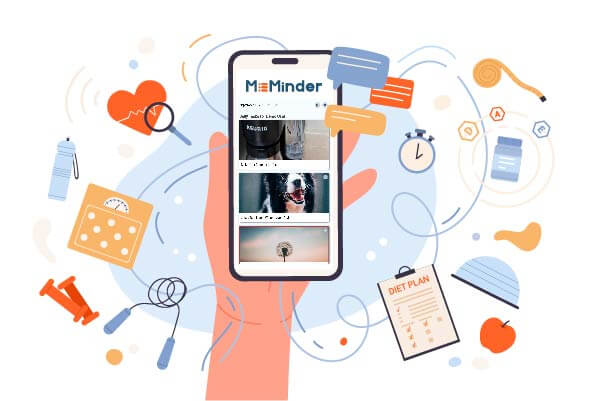
Many of the people you serve need task-prompting assistance at home....and at work! Why make them utilize two different enabling technologies?

Task Prompting Apps can reduce stress and anxiety for people with intellectual disabilities and traumatic brain injuries.

Task Prompting Apps can reduce stress and anxiety for people with intellectual disabilities and traumatic brain injuries.

Provider agencies are hiring Enabling Technology Specialists for people with intellectual disabilities.
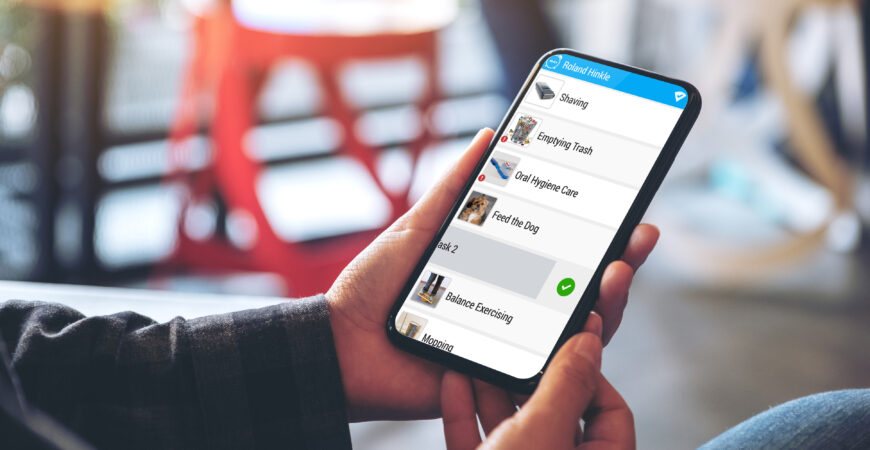
Many of the people you serve need task-prompting assistance at home....and at work! Why make them utilize two, uniquely different enabling technologies?

Amidst the uncertainty of the pandemic and directly on the tail of the 30th Anniversary of the Americans with Disabilities Act in 2020, The National Council on Disabilities published their “Progress Report on National Disability Policy” which charts the progress and setbacks of employment within the disabilities population here in the U.S. In it, a...