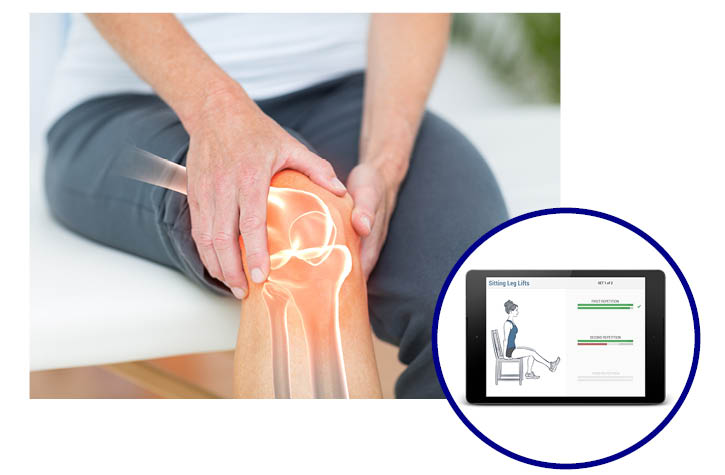
Benefits of Remote Physical Therapy
Remote physical therapy offers numerous advantages for patients recovering from surgery or managing chronic conditions. By utilizing innovative technology, patients can receive personalized care without the need for frequent in-person visits, which can be especially beneficial for those with mobility issues or transportation challenges.
For instance, patients can engage in their rehabilitation programs from the comfort of their homes, ensuring they adhere to their therapy schedules. Additionally, remote monitoring allows clinicians to track progress in real-time, enabling timely adjustments to treatment plans and fostering better patient outcomes.
How Flex Remote Sensors Work
The Flex remote sensors are designed to provide real-time feedback to both patients and healthcare providers. These sensors monitor a patient's movements and performance during prescribed exercises, ensuring that they are following their rehabilitation protocols correctly.
By integrating with a user-friendly app, the Flex system allows patients to visualize their progress and stay motivated. Clinicians can also access this data to make informed decisions about treatment adjustments, ultimately enhancing the overall effectiveness of the rehabilitation process.
Patient Success Stories
Many patients have experienced significant improvements in their recovery journeys through the use of CreateAbility's remote physical therapy solutions. These success stories highlight the transformative impact of technology on rehabilitation, showcasing how individuals have regained mobility and independence.
For example, a recent case involved a patient recovering from knee surgery who was able to complete their physical therapy regimen at home using the Flex system. This patient reported not only faster recovery times but also increased confidence in their ability to manage their rehabilitation independently.
Getting Started with Remote Therapy
Embarking on a remote physical therapy journey with CreateAbility is straightforward and tailored to meet individual needs. Patients can begin by consulting with their healthcare providers to determine if remote therapy is suitable for their specific recovery requirements.
Once approved, patients will receive guidance on setting up the Flex system and accessing the accompanying app. Ongoing support is available to ensure a smooth transition into remote therapy, allowing patients to focus on their recovery without unnecessary stress.