

Direct Support Professionals (DSPs) are the backbone of disability services. They show up every day with patience, compassion, and a commitment to helping people with IDDs and TBIs live fuller, more independent lives. But the demands placed on DSPs have never been higher – and burnout is becoming one of the biggest threats to service...

Grounded, evidence-driven research is central to creating effective enabling technologies-especially in the field of intellectual and developmental disabilities (IDD). This article explains why rigorous research matters, how it improves assistive devices and apps, and how funding that supported it shapes innovation. You’ll find clear descriptions of the methods researchers use, current trends in enabling technology...
Health assessment dashboards and remote patient monitoring solutions are transforming how providers understand and support wellbeing. By turning continuous streams of data into meaningful, actionable insights, these tools help clinicians make faster decisions, personalize care, and improve outcomes. As the demand for efficient, data-driven health management grows, CreateAbility’s suite – My Emotional Navigator, Evalu8Now, and...

Measuring the Impact of Enabling Technology for Individuals With Intellectual Disabilities As agencies increasingly integrate enabling technology into supports for individuals with intellectual disabilities, one question rises to the top: How do we know it’s working? Technology alone doesn’t create independence – measurable outcomes do. That’s where Key Performance Indicators (KPIs) become essential. They help...

Digital task prompting systems are purpose-built tools that help people – especially those with intellectual and developmental disabilities (IDD) – manage everyday tasks with more confidence and less stress. Using step-by-step prompts, visuals, and sound cues, these systems bring clarity and routine to activities that might otherwise feel overwhelming. Below, we unpack the core features...

Building independence isn’t about doing a task once. It’s about doing it again tomorrow, and the next day, and the next; growing confidence and fewer supports over time. For individuals with intellectual or developmental disabilities, that journey often requires structure, repetition, and the right kind of prompting at the right moment. That’s where enabling technology...

Enabling Technology That Turns Goals Into Achievable Steps for People with Intellectual Disabilities
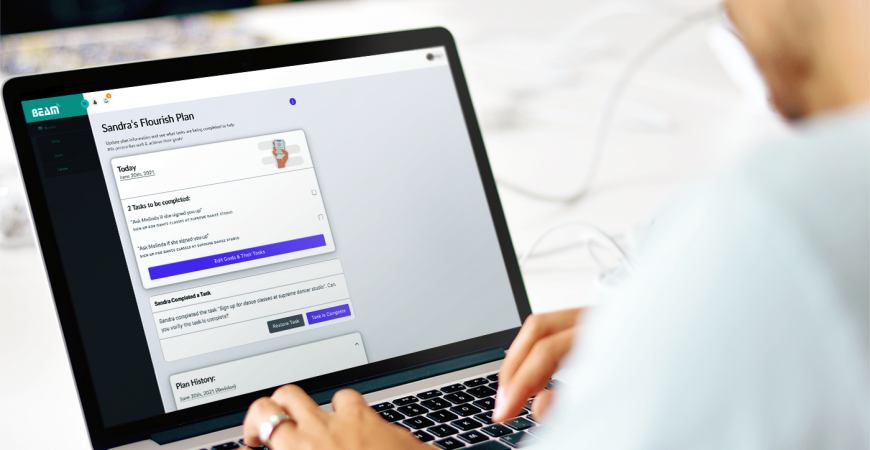
Setting goals is one thing. Understanding how to reach them is something else entirely. For many people – especially those receiving support services – goals can feel overwhelming, unclear, or too big to tackle. Even when motivation is high, the path forward isn’t always obvious. Imagine someone proudly holding a shopping bag after completing a...

Enabling Technology and current healthcare challenges Across the country, IDD service providers are navigating rising support needs, workforce shortages, and the pressure to deliver consistent, data‑driven care. At the same time, individuals with intellectual and developmental disabilities deserve tools that help them build independence, regulate emotions, communicate effectively, and succeed in employment. CreateAbility’s product suite...

This case study’s purpose was to analyze research conducted for NIDILRR, FIDDLE Project Phase 1/2 milestones using career exploration and discovery tool: Employment Pathfinder. Details: Process efficiency was was measured by hours saved in all components of employment process for care providers and individuals they serve with IDDs in the areas of: Area of Efficiency...

🌟 What Agency Means to People with IDDs & TBIs The word “agency” is more prevalent these days. By agency, we don’t mean it in terms of a physical location; we’re speaking in about agency as the power to make choices, take action, and shape your own life. For individuals with intellectual and developmental disabilities...