
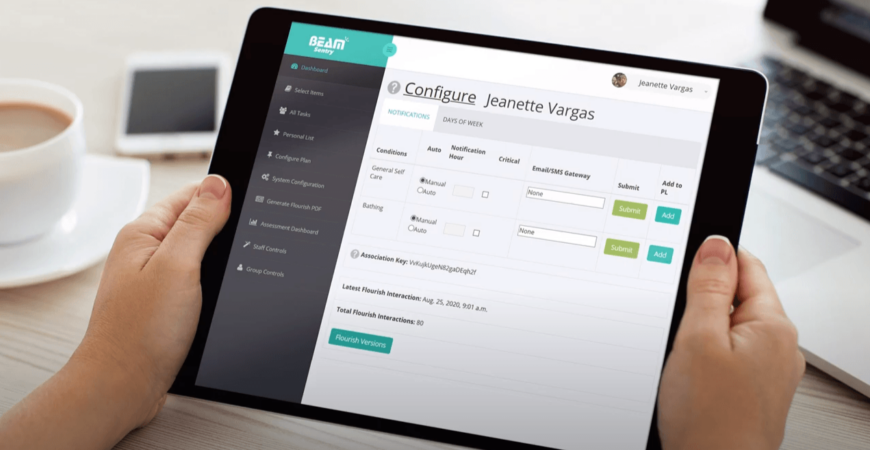
Real-time remote monitoring dashboards are changing outcomes for care provider agencies, hospitals, and managed care organizations Healthcare is changing fast, and one of the biggest shifts is happening right on the screens of care providers. Real-time remote monitoring dashboards are giving clinicians something they’ve never truly had before: a clear, continuous, and actionable window into...
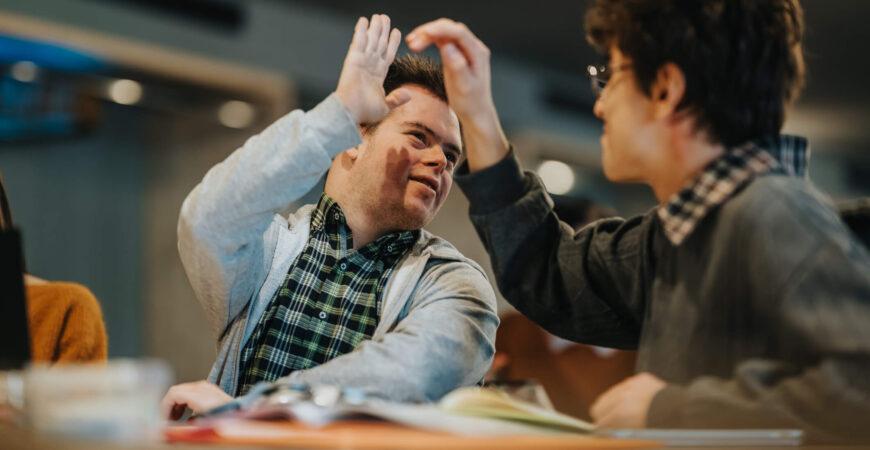
Independence is one of the most powerful human experiences, but for people with intellectual disabilities (IDDs), it carries a deeper, more personal meaning. It’s not just about doing things alone. It’s about having agency, choice, confidence, and control over one’s own life. At CreateAbility, we see independence every day through the eyes of the people...
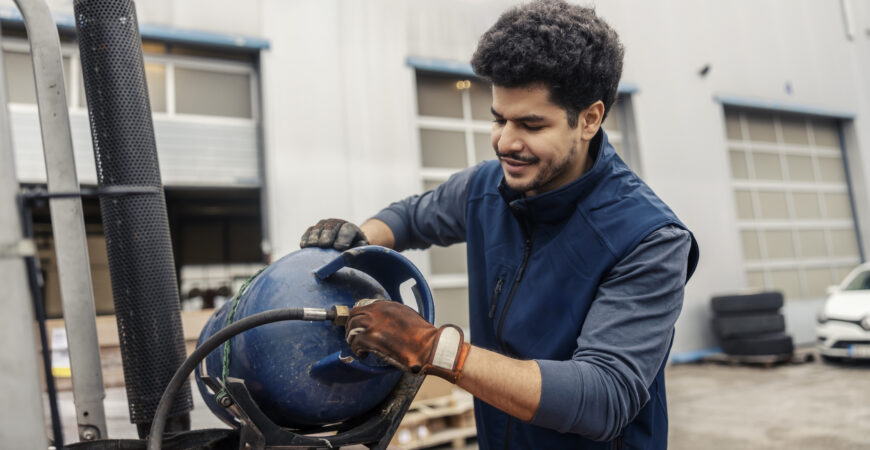
How Enabling Technology Strengthens Employment Supports and Vocational Rehabilitation for People with TBIs and Neurodiverse Workers For individuals with traumatic brain injuries (TBIs) and neurodiverse job seekers, returning to work isn’t just about finding a job; it’s about building confidence, restoring independence, and having the right supports in place to succeed. Traditional vocational rehabilitation programs...
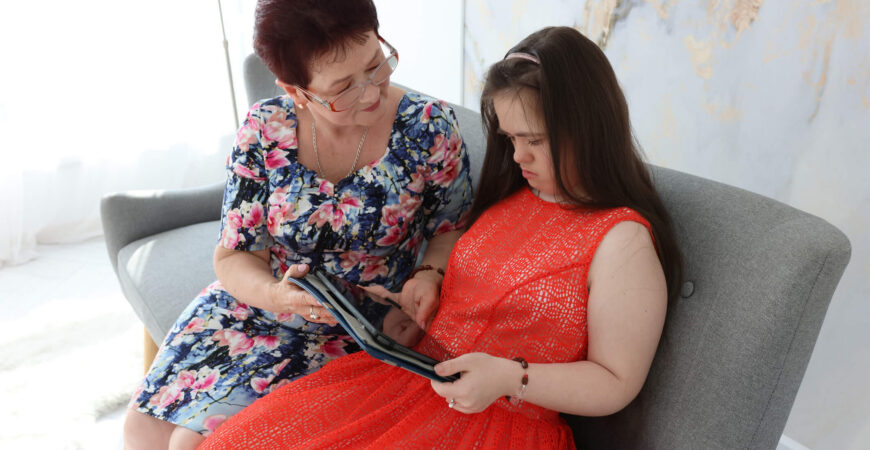
Building independence isn’t about doing a task once. It’s about doing it again tomorrow, and the next day, and the next; growing confidence and fewer supports over time. For individuals with intellectual or developmental disabilities, that journey often requires structure, repetition, and the right kind of prompting at the right moment. That’s where enabling technology...
Enabling Technology That Turns Goals Into Achievable Steps for People with Intellectual Disabilities
Setting goals is one thing. Understanding how to reach them is something else entirely. For many people – especially those receiving support services – goals can feel overwhelming, unclear, or too big to tackle. Even when motivation is high, the path forward isn’t always obvious. Imagine someone proudly holding a shopping bag after completing a...
FOR IMMEDIATE RELEASENovember 2025 TriADD Selects CreateAbility Concepts, Inc. to Develop Groundbreaking Enabling Technology Platform for Individuals with IDDs in New York Indianapolis, IN – TriADD, a strategic alliance of three Coordinated Care Organizations (CCOs) serving over 63,000 individuals with intellectual and developmental disabilities (IDDs) across New York State, has selected CreateAbility Concepts, Inc. to...
This month, CreateAbility celebrates its 20th anniversary. And what would a 20th anniversary be without a nostalgic (and obligatory) moment to reminisce about how our company came to be – and take a look at where we are headed! _________________________ Interview with Steve Sutter, President of CreateAbility Concepts, Inc., 1/06/2021 Q: Why did decide to...

Amidst the uncertainty of the pandemic and directly on the tail of the 30th Anniversary of the Americans with Disabilities Act in 2020, The National Council on Disabilities published their “Progress Report on National Disability Policy” which charts the progress and setbacks of employment within the disabilities population here in the U.S. In it, a...
Our team at CreateAbility is always examining challenges in the IDD space from the perspective of technology. While we know that technology should never be a total replacement for the meaningful connection that DSPs have with their person served; we understand how technology can help DSPs optimize their time and save agencies money. Most importantly, technology...

I don’t know about you, but I am tired of hearing the phrase “the new normal”. Sure, I miss hugging my elderly parents, I miss my weekly “dine-out” night, and I’m a music junkie so the live music scene beckons me. Yet, I’ve noticed some changes in the world around me that, to be frank,...