
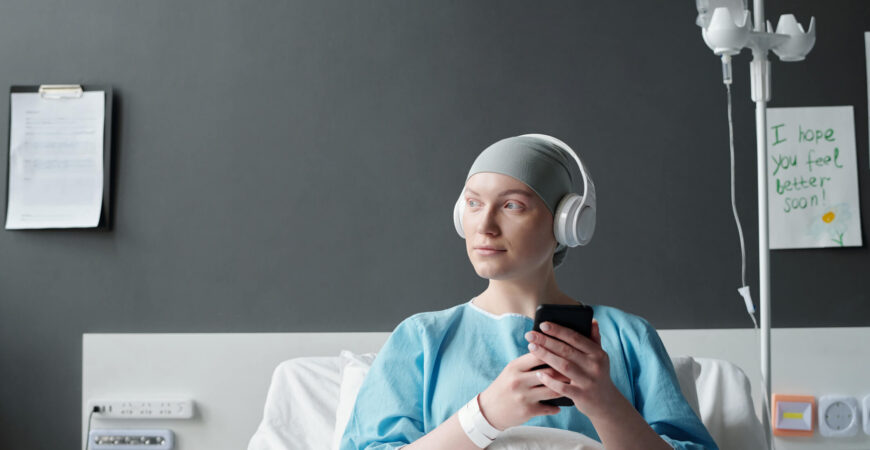
TBIs and why tools like My Emotional Navigator, Evalu8Now, MeMinder and ConnectAbility are meeting critical need Recovering from a Traumatic Brain Injury (TBI) is a long‑term journey that requires structure, emotional support, and tools that adapt to daily challenges. Today, enabling technology is becoming one of the most powerful supports for rebuilding independence – and...

Direct Support Professionals (DSPs) are the backbone of disability services. They show up every day with patience, compassion, and a commitment to helping people with IDDs and TBIs live fuller, more independent lives. But the demands placed on DSPs have never been higher – and burnout is becoming one of the biggest threats to service...

Grounded, evidence-driven research is central to creating effective enabling technologies-especially in the field of intellectual and developmental disabilities (IDD). This article explains why rigorous research matters, how it improves assistive devices and apps, and how funding that supported it shapes innovation. You’ll find clear descriptions of the methods researchers use, current trends in enabling technology...
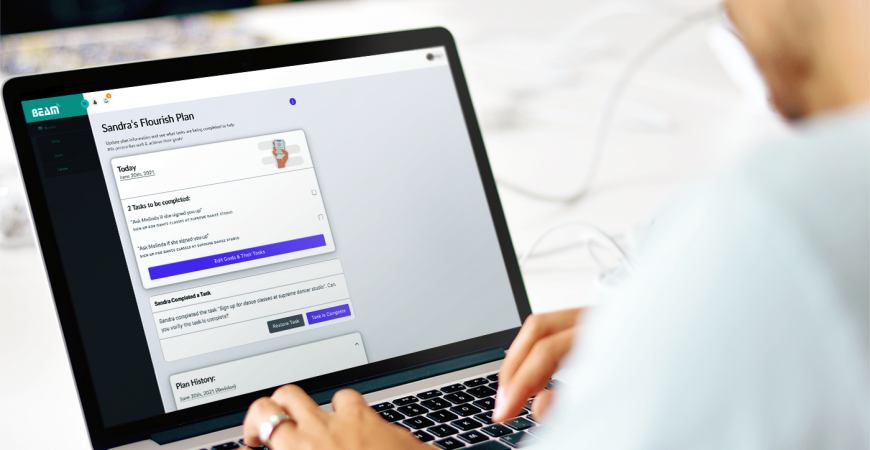
Health assessment dashboards and remote patient monitoring solutions are transforming how providers understand and support wellbeing. By turning continuous streams of data into meaningful, actionable insights, these tools help clinicians make faster decisions, personalize care, and improve outcomes. As the demand for efficient, data-driven health management grows, CreateAbility’s suite – My Emotional Navigator, Evalu8Now, and...

Measuring the Impact of Enabling Technology for Individuals With Intellectual Disabilities As agencies increasingly integrate enabling technology into supports for individuals with intellectual disabilities, one question rises to the top: How do we know it’s working? Technology alone doesn’t create independence – measurable outcomes do. That’s where Key Performance Indicators (KPIs) become essential. They help...
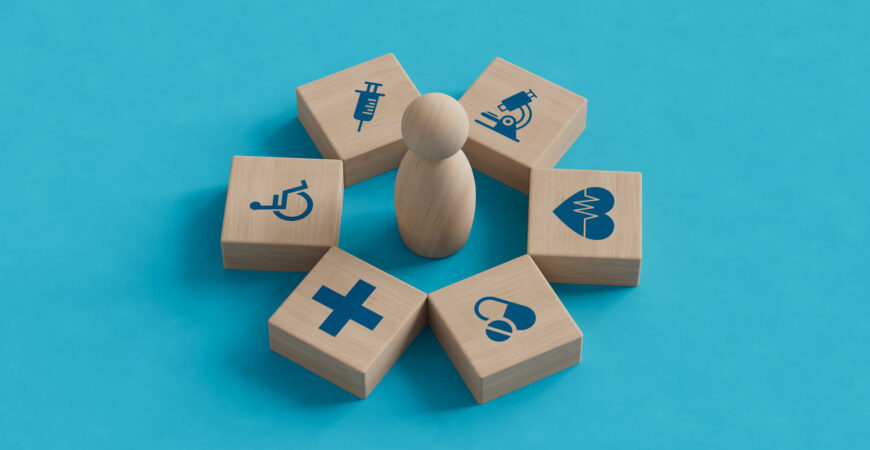
Person-centered care planning for people with intellectual disabilities is a transformative approach that prioritizes the unique needs, preferences, and abilities of individuals in their healthcare and support journey. This guide aims to equip support coordinators and caregivers with the knowledge and tools necessary to create individualized care plans that enhance engagement and improve health and...
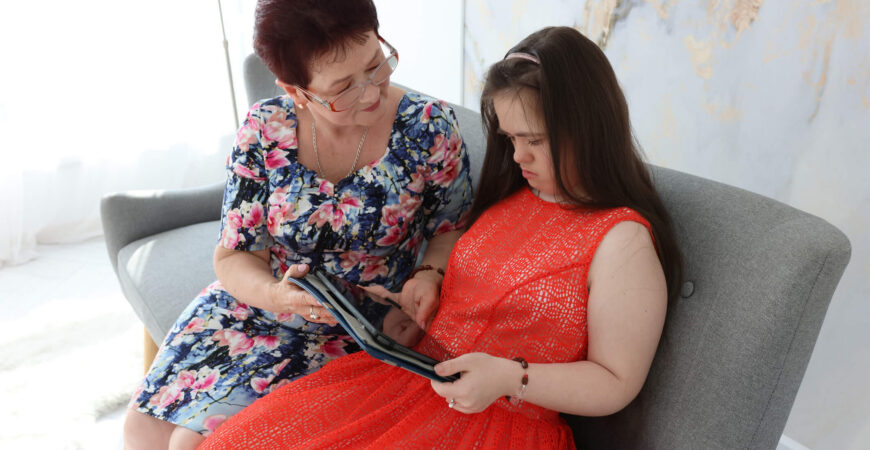
Building independence isn’t about doing a task once. It’s about doing it again tomorrow, and the next day, and the next; growing confidence and fewer supports over time. For individuals with intellectual or developmental disabilities, that journey often requires structure, repetition, and the right kind of prompting at the right moment. That’s where enabling technology...

Enabling Technology and current healthcare challenges Across the country, IDD service providers are navigating rising support needs, workforce shortages, and the pressure to deliver consistent, data‑driven care. At the same time, individuals with intellectual and developmental disabilities deserve tools that help them build independence, regulate emotions, communicate effectively, and succeed in employment. CreateAbility’s product suite...

Emotional overwhelm doesn’t happen in a vacuum. It builds quietly (ie, a missed cue here, a rising tension there) until suddenly a person is no longer able to cope. What begins as discomfort can quickly spiral into escalation, crisis, and the need for high‑cost interventions. For individuals with intellectual and developmental disabilities, this cycle is...
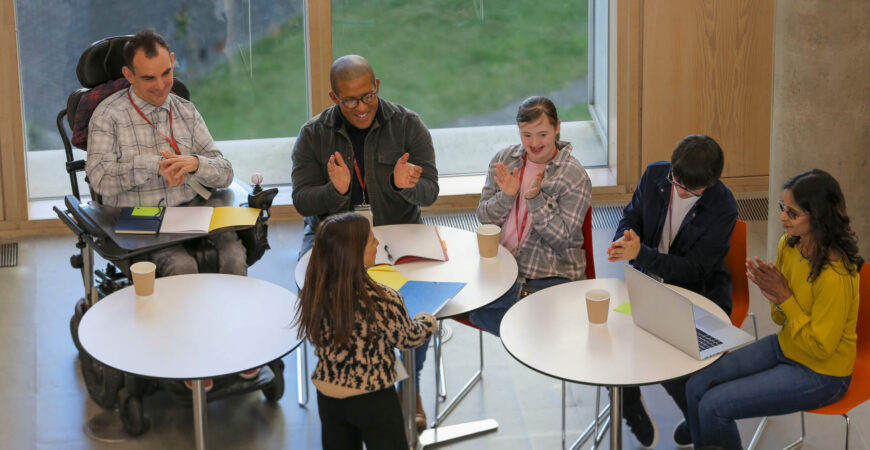
November Is Assistive Technology Month: Celebrating Innovation That Empowers Independence Each November, we celebrate Assistive Technology Month – a time to recognize the transformative power of technology in the lives of individuals with disabilities. It’s more than a calendar event; it’s a call to action, a moment to reflect on how far we’ve come, and...