
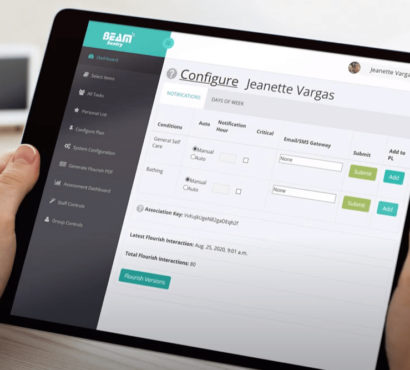
Real-time remote monitoring dashboards are changing outcomes for care provider agencies, hospitals, and managed care organizations Healthcare is changing fast, and one of the biggest shifts is happening right on the screens of care providers. Real-time remote monitoring dashboards are giving clinicians something they’ve never truly had before: a clear, continuous, and actionable window into...
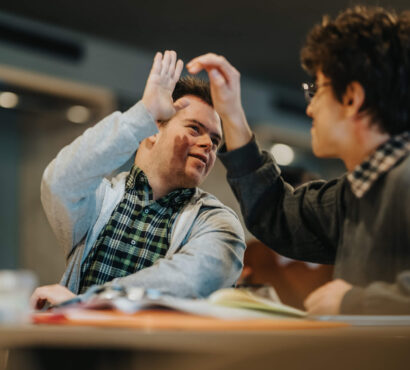
Independence is one of the most powerful human experiences, but for people with intellectual disabilities (IDDs), it carries a deeper, more personal meaning. It’s not just about doing things alone. It’s about having agency, choice, confidence, and control over one’s own life. At CreateAbility, we see independence every day through the eyes of the people...

How Enabling Technology Strengthens Employment Supports and Vocational Rehabilitation for People with TBIs and Neurodiverse Workers For individuals with traumatic brain injuries (TBIs) and neurodiverse job seekers, returning to work isn’t just about finding a job; it’s about building confidence, restoring independence, and having the right supports in place to succeed. Traditional vocational rehabilitation programs...
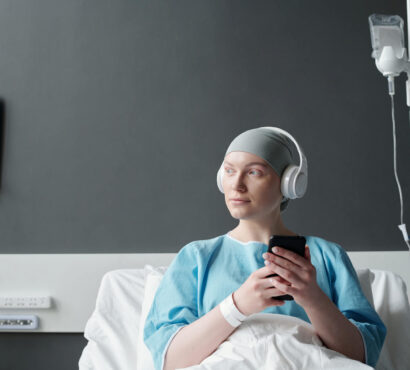
TBIs and why tools like My Emotional Navigator, Evalu8Now, MeMinder and ConnectAbility are meeting critical need Recovering from a Traumatic Brain Injury (TBI) is a long‑term journey that requires structure, emotional support, and tools that adapt to daily challenges. Today, enabling technology is becoming one of the most powerful supports for rebuilding independence – and...

Direct Support Professionals (DSPs) are the backbone of disability services. They show up every day with patience, compassion, and a commitment to helping people with IDDs and TBIs live fuller, more independent lives. But the demands placed on DSPs have never been higher – and burnout is becoming one of the biggest threats to service...
Grounded, evidence-driven research is central to creating effective enabling technologies-especially in the field of intellectual and developmental disabilities (IDD). This article explains why rigorous research matters, how it improves assistive devices and apps, and how funding that supported it shapes innovation. You’ll find clear descriptions of the methods researchers use, current trends in enabling technology...