How Enabling Technology Strengthens Employment Supports and Vocational Rehabilitation for People with TBIs and Neurodiverse Workers
For individuals with traumatic brain injuries (TBIs) and neurodiverse job seekers, returning to work isn’t just about finding a job; it’s about building confidence, restoring independence, and having the right supports in place to succeed.
Traditional vocational rehabilitation programs have always played a critical role in this process, but today’s workforce demands more than paper checklists and occasional staff check‑ins. This is where enabling technology transforms the entire employment journey.
CreateAbility’s suite of digital tools is designed to help individuals learn job tasks, follow routines, stay organized, communicate effectively, and build long‑term independence, while giving providers real‑time insight to deliver consistent, person‑centered support. In a labor market where employers need reliable workers and individuals need accessible pathways back to employment, technology bridges the gap.
Why Employment Supports Matter More Than Ever
For people with TBIs or neurodiverse conditions such as autism, ADHD, or intellectual and developmental disabilities (IDDs), employment challenges often include remembering multi‑step tasks, managing time, regulating stress or sensory overload, communicating needs, staying organized, adapting to new routines, and maintaining consistency without constant staff oversight. These challenges don’t reflect a lack of ability; they reflect a need for structured, predictable, and accessible supports. Employment supports help individuals build confidence, reduce anxiety, improve task mastery, strengthen workplace independence, and maintain employment long‑term. But traditional supports are often inconsistent, staff‑dependent, and difficult to scale. Enabling technology solves that.
How Enabling Technology Enhances Vocational Rehabilitation
Technology doesn’t replace human support…it amplifies it. It gives individuals tools they can rely on every day, and gives providers the data they need to deliver consistent, high‑quality employment coaching.
1. Digital Task Modeling & Step‑by‑Step Guidance
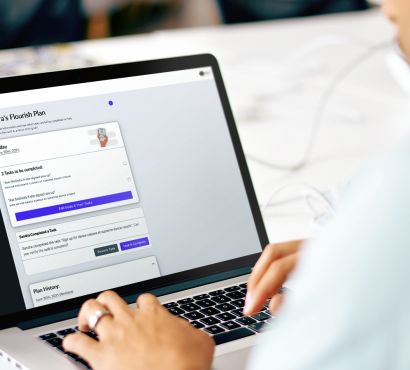
Apps like CreateAbility’s MeMinder provide visual prompts, audio instructions, timers, checklists, and repeatable routines. This helps individuals master tasks without needing a job coach standing beside them.
2. Real‑Time Data for Providers
Vocational rehabilitation teams can see which tasks were completed, where support was needed, how long tasks took, patterns in performance, and early signs of struggle. This allows providers to adjust supports quickly and prevent job loss.
3. Self‑Advocacy Tools
Individuals can request help, communicate needs, report issues, and log symptoms or stressors. This builds independence and reduces workplace misunderstandings.
4. Cognitive Support for TBIs
People returning to work after a traumatic brain injury often need memory supports, fatigue management, structured routines, reminders, and simplified workflows. Enabling technology provides these supports discreetly and consistently.
5. Predictability for Neurodiverse Workers
Neurodiverse individuals thrive with clear expectations, visual structure, predictable routines, and reduced ambiguity. Technology delivers this in a way that feels empowering, not controlling.
The Role of Technology in Return‑to‑Work for TBIs
Returning to work after a TBI is deeply personal. Cognitive fatigue, memory challenges, and emotional regulation can make the workplace feel overwhelming. Enabling technology supports return‑to‑work by breaking tasks into manageable steps, reducing cognitive load, supporting memory and organization, helping individuals pace themselves, providing discreet prompts without stigma, and giving providers insight into progress. This creates a safer, more supportive path back to employment — one that honors the individual’s dignity and autonomy.
Why Employers Benefit Too
Employers gain more consistent performance, fewer errors, reduced turnover, improved communication, higher employee confidence, and stronger inclusion practices. Technology makes accommodations easier, predictable, and scalable — which helps employers meet workforce demands while supporting diverse talent.
The Future of Vocational Rehabilitation Is Tech‑Enabled
The workforce is changing. Expectations are rising. Staffing shortages are real. And individuals deserve supports that don’t disappear when a job coach leaves the building. Enabling technology ensures consistency, independence, dignity, and long‑term employment success. It’s not just a tool — it’s a pathway to meaningful work, personal growth, and lifelong stability.
CreateAbility Is Leading the Way
If your organization supports individuals with TBIs, neurodiverse job seekers, or people with IDDs, enabling technology can transform your employment outcomes. CreateAbility’s tools are built for vocational rehabilitation, employment supports, return‑to‑work programs, job coaching, remote supports, and person‑centered planning. Our technology helps individuals succeed and helps providers deliver consistent, high‑quality support every single day.
Ready to strengthen your employment supports? Visit our Contact Us page to schedule a consultation or request a demo.