
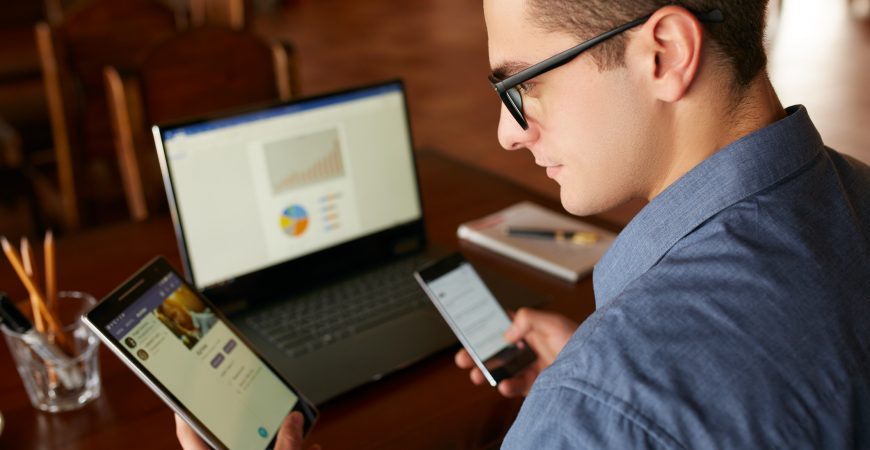
Technology First Approach Helps Provider Agencies Stay Afloat Care providers and job coaches have their plates more-than-full as provider and agency administrators scramble to add additional staff members to meet demand. Technology can play a very helpful role in times, such as these. While technology is never a 100% replacement for human interaction, here are...
INDIANAPOLIS, June 8th, 2021 – CreateAbility Concepts, Inc., a technology company located in Indianapolis, was recently awarded a portion of the Second Chance Grant provided by the State of Florida’s Department of Justice for the replication and use of their MyBrain technology. CreateAbility’s MyBrain will be utilized as technology solution that will ultimately, help reduce the rate of recidivism in youth ages 14-18. Modern research identifies traumatic brain injuries (TBIs) in...

Simply put, the word “ration” is a form of comparison measurement. It’s no coincidence that it is at the center of so many things. Take these, for example: DurationPreparationGenerationAdministrationCollaborationIntegrationDemonstrationPenetrationOperationConfiguration In the grand scheme of my life, I realize that rationing myself is something I have to do on a daily basis: the people I tend...
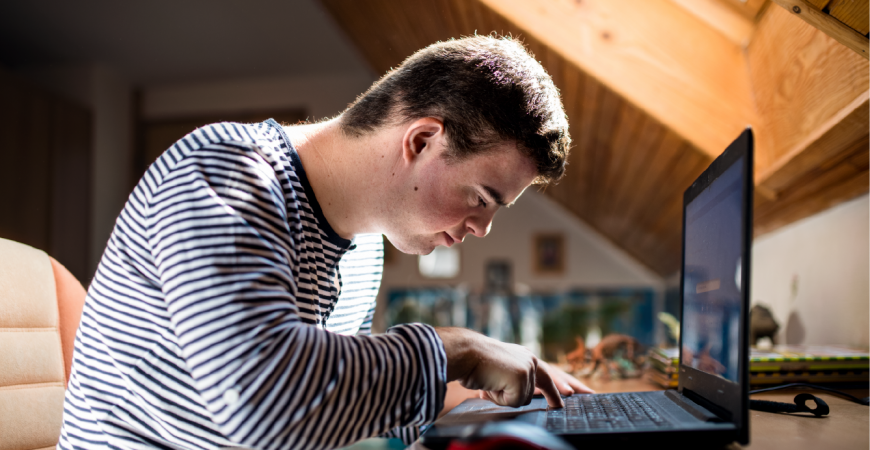
CreateAbility has been utilizing avatar led communications for several years now and the data that has emerged from our clients has proven that it can be helpful to both the care provider and the person being served, alike. Here are a few of the top reasons avatar-led communications are yielding successful results within the IDD population: It increases data integrity. When...
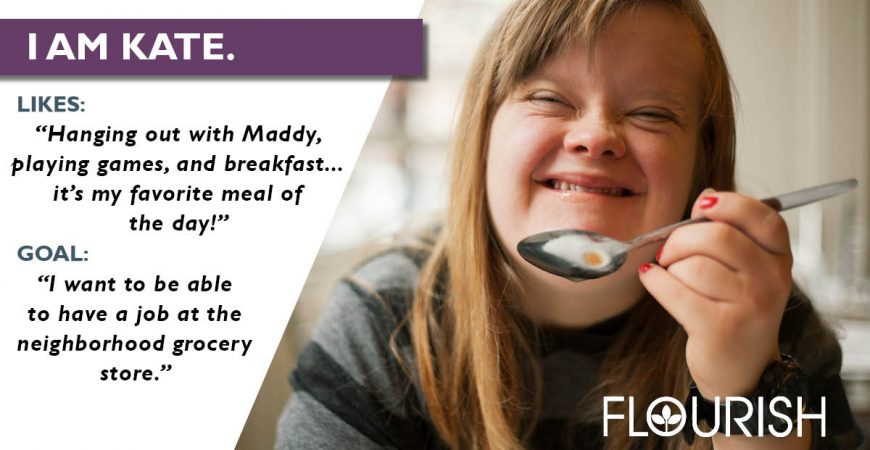
Many researchers have studied positive psychology and what it means for humans to “flourish”. Professor Martin Seligman surveyed thousands of individuals and studied outcomes regarding the facets of positive psychology and what cultivates wellbeing in our lives. From the results, he devised the acronym “PERMAH” to reflect what seemed to be the most important influential...
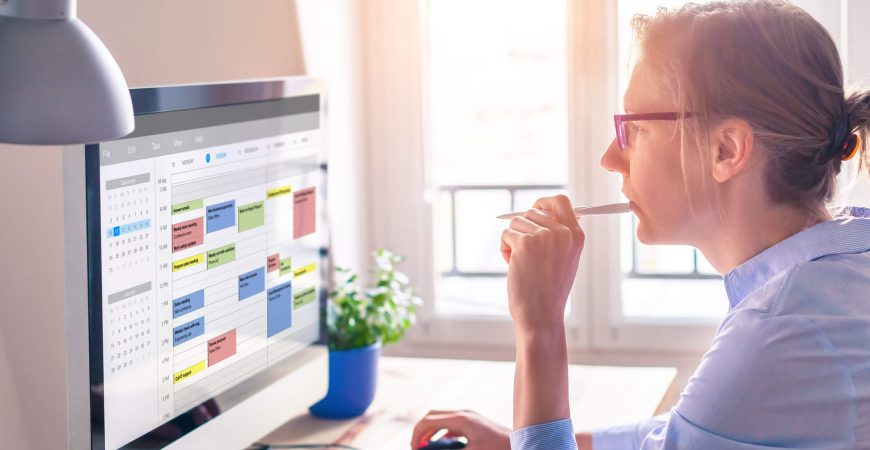
Technology is never a replacement for human interaction between care providers and the people they serve; it’s a tool. I think this pandemic has certainly accentuated that notion as we all revisit the way things used to be – the social gatherings, face-to-face communications, and physical touch. Technology can optimize time management for the organization...
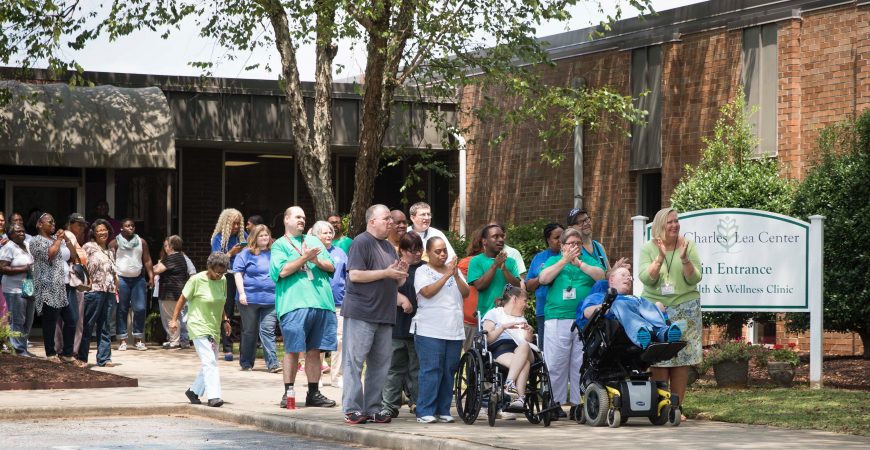
The Charles Lea Center, located in Spartansburg, South Carolina, helps people with intellectual disabilities and chronic medical conditions and helps them work to their fullest potential. Their services are based on the principles of person-centered thinking that looks at the strengths of each person and uses those skills to promote greater independence. MeMinder is a...

Rural-Health-Mate was developed under a grant from a division of the USDA that is focused on rural living for the purpose of improving the health and wellbeing of the elderly population in rural America. The technology bore from this project/grant was used to collect data/feedback from elderly in rural settings to bridge the communication gap and...
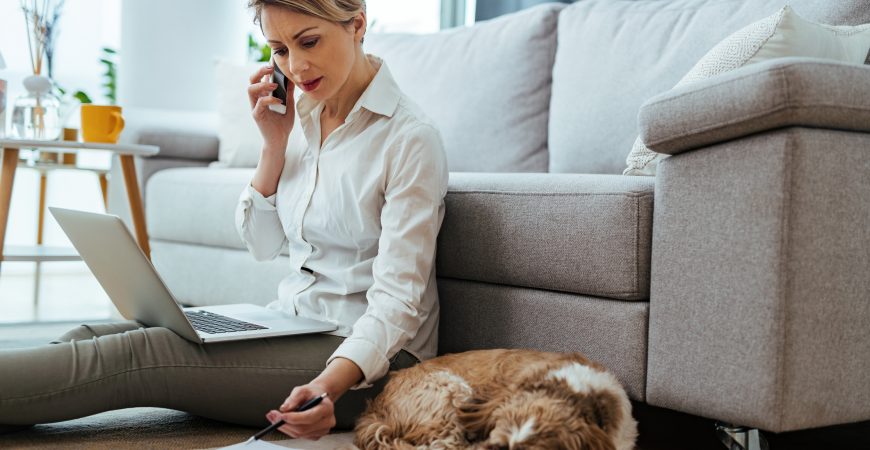
The benefits of remote supports have been a true game-changer for employment and residential support organizations/agencies in the Intellectual Developmental Disability (IDD) space. Organizations in the senior care market have also experienced similar benefits from remote supports as it offered a big advancement in the quality of care that they can offer their clients. In general, remote supports have equipped providers with virtual “eyes” inside of the homes of the people they serve without being intrusive to their lives....