
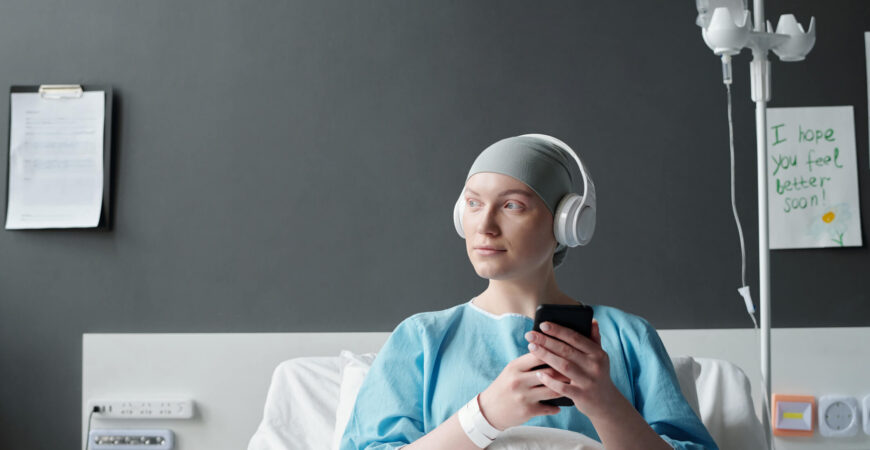
TBIs and why tools like My Emotional Navigator, Evalu8Now, MeMinder and ConnectAbility are meeting critical need Recovering from a Traumatic Brain Injury (TBI) is a long‑term journey that requires structure, emotional support, and tools that adapt to daily challenges. Today, enabling technology is becoming one of the most powerful supports for rebuilding independence – and...

Digital task prompting systems are purpose-built tools that help people – especially those with intellectual and developmental disabilities (IDD) – manage everyday tasks with more confidence and less stress. Using step-by-step prompts, visuals, and sound cues, these systems bring clarity and routine to activities that might otherwise feel overwhelming. Below, we unpack the core features...

This case study’s purpose was to analyze research conducted for NIDILRR, FIDDLE Project Phase 1/2 milestones using career exploration and discovery tool: Employment Pathfinder. Details: Process efficiency was was measured by hours saved in all components of employment process for care providers and individuals they serve with IDDs in the areas of: Area of Efficiency...

🌟 What Agency Means to People with IDDs & TBIs The word “agency” is more prevalent these days. By agency, we don’t mean it in terms of a physical location; we’re speaking in about agency as the power to make choices, take action, and shape your own life. For individuals with intellectual and developmental disabilities...

Automating the Career Exploration and Discovery Process for People with IDDs and TBIs At CreateAbility, we believe that everyone deserves the opportunity to find meaningful work, and that technology should help make that possible. For individuals with intellectual and developmental disabilities (IDD), the job search process has often been filled with barriers: complex applications, slow...
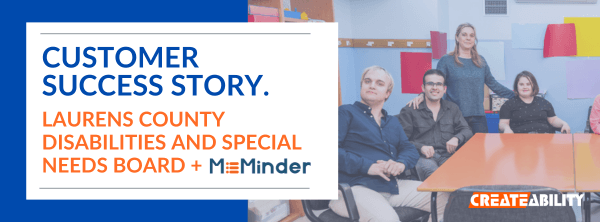
When Laurens County Disability and Special Needs Board (LCDSNB) first introduced CreateAbility’s MeMinder task-prompting app in 2024, they hoped it would help individuals in their employment program stay on track. What they didn’t expect? A positive transformation in how their programs support independence, confidence, and person-centered care. Seamless Enabling Technology Support from Home to Work...

Enabling Technology Success Story: Tennessee Managed Care Organization

Enabling Technology Success Story: Tennessee Managed Care Organization
Enabling Technology Success Story: Tennessee Managed Care Organization

Enabling Technology Success Story: Tennessee Managed Care Organization