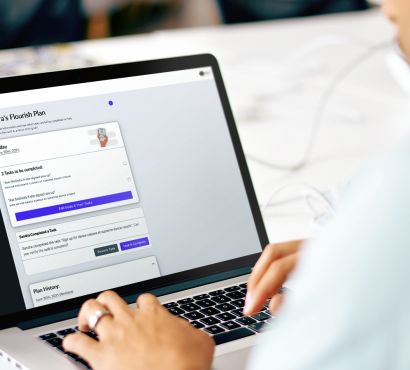
Digital task prompting systems are purpose-built tools that help people – especially those with intellectual and developmental disabilities (IDD) – manage everyday tasks with more confidence and less stress. Using step-by-step prompts, visuals, and sound cues, these systems bring clarity and routine to activities that might otherwise feel overwhelming. Below, we unpack the core features of these tools, how they pair with assistive technology, why customization matters for businesses, and the trends shaping the field today.
Research consistently shows that technology that breaks complex activities into discreet, doable steps can meaningfully improve independence for people with intellectual disabilities.
Step-Instruction Technology for Multistep IDD Tasks
A key goal for many people with intellectual disabilities is to carry out multistep routines – like making a sandwich – without direct help from a caregiver. This review summarizes studies that tested systems delivering single-step instructions to teach or support people with intellectual and other disabilities as they complete multistep functional activities.
Step-instruction technology to help people with intellectual and other disabilities perform multistep tasks: a literature review, L Desideri, 2021
What Are Digital Task Prompting Systems and Their Key Features?
Digital task prompting systems are apps and devices that guide users through tasks using clear, repeatable steps. Common features include visual and auditory cues, sequenced task steps, reminder schedules, and prompts that can be tailored to an individual’s needs. Designed with accessibility in mind, these systems reduce cognitive load and help people with IDD accomplish everyday tasks more independently.
How Digital Prompting Apps Enhance Task Completion for IDD Users
These apps support task completion by breaking a larger activity into short, concrete steps. Visual supports – photos, icons, or short videos – show what to do next, while audio prompts reinforce the sequence. The predictable structure reduces confusion and builds confidence as users complete each step and see progress toward the final task.
Researchers have compared prompting methods – such as video versus static images – to determine which formats best increase independent performance for people with moderate intellectual disabilities.
Self-Prompting Devices for IDD Task Completion
This study found that video prompting increased independent task performance more than static-picture prompting for four students with moderate intellectual disabilities.
Evaluation of a personal digital assistant as a self-prompting device for increasing multi-step task completion by students with moderate intellectual disabilities, DL Gast, 2010
Which Behavioral Prompting Techniques Improve User Task Performance?
Effective prompting combines clear cues with supportive behavior strategies. Positive reinforcement – brief praise or encouragement when a step is completed – boosts motivation. Visual schedules and structured task lists keep attention on what’s next. When these techniques are integrated into digital systems, users stay engaged and complete more tasks independently.
How Does Assistive Technology Integrate with Task Management Software?
Assistive technology enhances task management software by adding accessibility-focused features like speech recognition, larger or simplified interfaces, and alternative input methods. For example, the MeMinder app demonstrates how reminders and tailored prompts can be combined to match a user’s preferences and needs. Thoughtful integration makes task tools more usable and helps people build routines that stick.
Reviews of the literature highlight assistive technology’s role as a self-management aid – helping people with intellectual disabilities initiate and complete everyday tasks with less direct support.
Assistive Technology for IDD Daily Task Prompting
This literature review examines how assistive technology can serve as a self-management tool to prompt students with intellectual disabilities to start and finish daily tasks.
Assistive technology as a self-management tool for prompting students with intellectual disabilities to initiate and complete daily tasks: A literature review, 2007
What Are the Benefits of Workflow Automation Tools for Disabilities?
Workflow automation tools can bring practical benefits for people with disabilities and the teams that support them, such as:
- Smarter Job Matching: Automation can surface tasks that match a person’s strengths, making work more productive and fulfilling.
- Reducing Bias in Hiring: By focusing evaluations on skills and task performance, automation can help level the playing field in hiring.
- Accessibility Features: Many automation platforms include built-in accessibility options – like simplified views or alternate notifications – so users can engage with tasks in ways that work for them.
These capabilities make workflow automation a useful complement to task prompting systems for people with diverse needs.
How Do Mobile Task Reminder Apps Enhance Daily Task Support?
Mobile reminder apps put prompts in the user’s pocket and let them customize timing, frequency, and format. Customizable reminders reduce the stress of forgetting and help people follow routines – daily hygiene, medication, or work tasks – more reliably. Recurring alerts encourage consistency, which supports habit building and greater independence over time.
Why Choose Customizable Prompting Systems?
Businesses benefit from customizable prompting systems because they can be tailored to employees’ unique workflows and communication styles. These systems support independence, lower on-the-job stress, and create a more inclusive workplace where people can focus on meaningful work instead of constant supervision.
How Do Customization Options Address Diverse User Needs?
Customization – such as person-centered design, adjustable prompt types, and flexible timing – lets users and employers match the system to individual strengths and preferences. That flexibility removes barriers to task completion and supports success across work and daily-life tasks.
What Business Benefits Result from Implementing Digital Prompting Solutions?
Digital prompting solutions deliver several organizational advantages:
- Enhanced Independence for Users: Employees who can manage tasks with fewer prompts often report higher job satisfaction and confidence.
- Reduced Administrative Burden: Automating reminders and routine prompts frees managers and support staff to focus on higher-level coaching.
- Cost Efficiency: Better task completion and reduced training time can lower operational costs and improve overall productivity.
Together, these benefits show how prompting solutions can lift both people and organizations.
What Are the Latest Trends and Industry Insights in Digital Task Prompting?
Digital task prompting is evolving quickly. Key trends include richer personalization through artificial intelligence, more natural multimodal prompts (video, voice, and images), and tighter integrations with workplace systems. These changes aim to make prompts more timely, relevant, and easier for users to follow.
How Is AI Driving Advances in Behavioral Prompting Systems?
AI‑powered task setup in MeMinder gives care providers a level of efficiency and consistency that simply isn’t possible with manual prompting. By automatically breaking routines into clear, personalized steps – paired with video modeling, talking pictures, or audio‑only cues – MeMinder ensures individuals stay on track even when staff can’t be right beside them. Providers gain real‑time visibility into progress, missed steps, and emerging patterns, allowing them to intervene earlier, document more accurately, and allocate staff time where it’s needed most. The result is a smoother workflow, more confident individuals, and care teams who can finally focus on meaningful support instead of constant task repetition.
AI also enhances prompting systems by learning user patterns and adjusting support accordingly. Over time, AI can detect when someone needs more guidance or when they’re ready for fewer prompts, helping the system provide the right level of support—no more, no less. That adaptive approach improves engagement and supports skill growth.
What Do Recent Studies Reveal About Adoption in Healthcare and Education?
Recent research shows growing adoption of prompting systems in healthcare and education, though barriers remain – resistance to change, training needs, and implementation costs. Successful rollouts pair technology with stakeholder collaboration and practical training so users and staff can feel confident using the tools.
How Can Clients Benefit from Case Studies and Success Stories?
Case studies and success stories offer concrete examples of how prompting systems work in real settings. They show measurable results – improved task completion, smoother transitions into employment, and greater day-to-day independence – and help prospective clients see how similar outcomes could apply to their programs.
What Measurable Improvements Have Users Experienced?
Users often report measurable gains: higher task completion rates, improved consistency in routines, and smoother steps toward employment or independent living. These outcomes underscore the practical impact prompting systems can have on daily life.
How Do Testimonials Reflect User Satisfaction and Effectiveness?
Testimonials spotlight user experience – clarity, reduced anxiety, and the confidence that comes from completing tasks independently. These firsthand accounts are powerful evidence of a system’s value and help other organizations understand potential benefits.
What Common Questions Do Users Have About Digital Task Prompting?
As interest grows, people commonly ask about how these systems work, what benefits to expect, and how they can be personalized. Clear answers help potential users and organizations decide whether prompting technology is a good fit.
What Is a Digital Task Prompting System?
A digital task prompting system is an assistive tool that guides people through tasks using structured steps, reminders, and multimodal cues. These systems aim to reduce confusion and promote independence, particularly for individuals with IDD.
How Do Task Prompting Apps Support People with Intellectual and Developmental Disabilities?
Task prompting apps support people with IDD by offering clear, consistent instructions and customizable prompts that match individual needs. By simplifying tasks into small, achievable steps and providing appropriate cues, these apps help users build competence and confidence while lowering anxiety about daily responsibilities.
If you’d like more info on digital task prompting systems, please contact CreateAbility for a live demonstration to see it in action here.